
English
Views: 0 Author: Site Editor Publish Time: 2025-11-28 Origin: Site


The importance of marine fittings in ensuring vessel safety cannot be overstated. As vessels navigate through challenging marine environments, the quality and reliability of these components become critical. This article delves into why quality marine fittings matter for vessel safety, exploring various types of fittings, their applications, and the standards that govern their production and use. By understanding the significance of these components, stakeholders in the maritime industry can make informed decisions that enhance safety and operational efficiency.
Marine fittings are integral to the structural integrity and operational efficiency of vessels. They encompass a wide range of components, including valves, pumps, and connectors, which are essential for various systems onboard. The reliability of these fittings directly impacts the safety of the vessel, crew, and cargo. For instance, faulty fittings can lead to leaks, system failures, or even catastrophic accidents at sea. Therefore, investing in quality marine fittings is crucial for maintaining the safety and functionality of maritime operations.
Marine fittings come in various types, each serving specific functions. Some of the most common types include:
Valves: Used to control the flow of liquids and gases within the vessel's systems.
Pumps: Essential for transferring fluids, including fuel, water, and lubricants.
Connectors: Facilitate the joining of pipes and hoses, ensuring a secure and leak-free connection.
Flanges: Provide a method for connecting pipes, valves, and other equipment.
Each type of fitting must be selected based on the specific requirements of the vessel and the conditions it will encounter. For example, marine fittings for salt‐water environments must be resistant to corrosion and able to withstand harsh conditions.
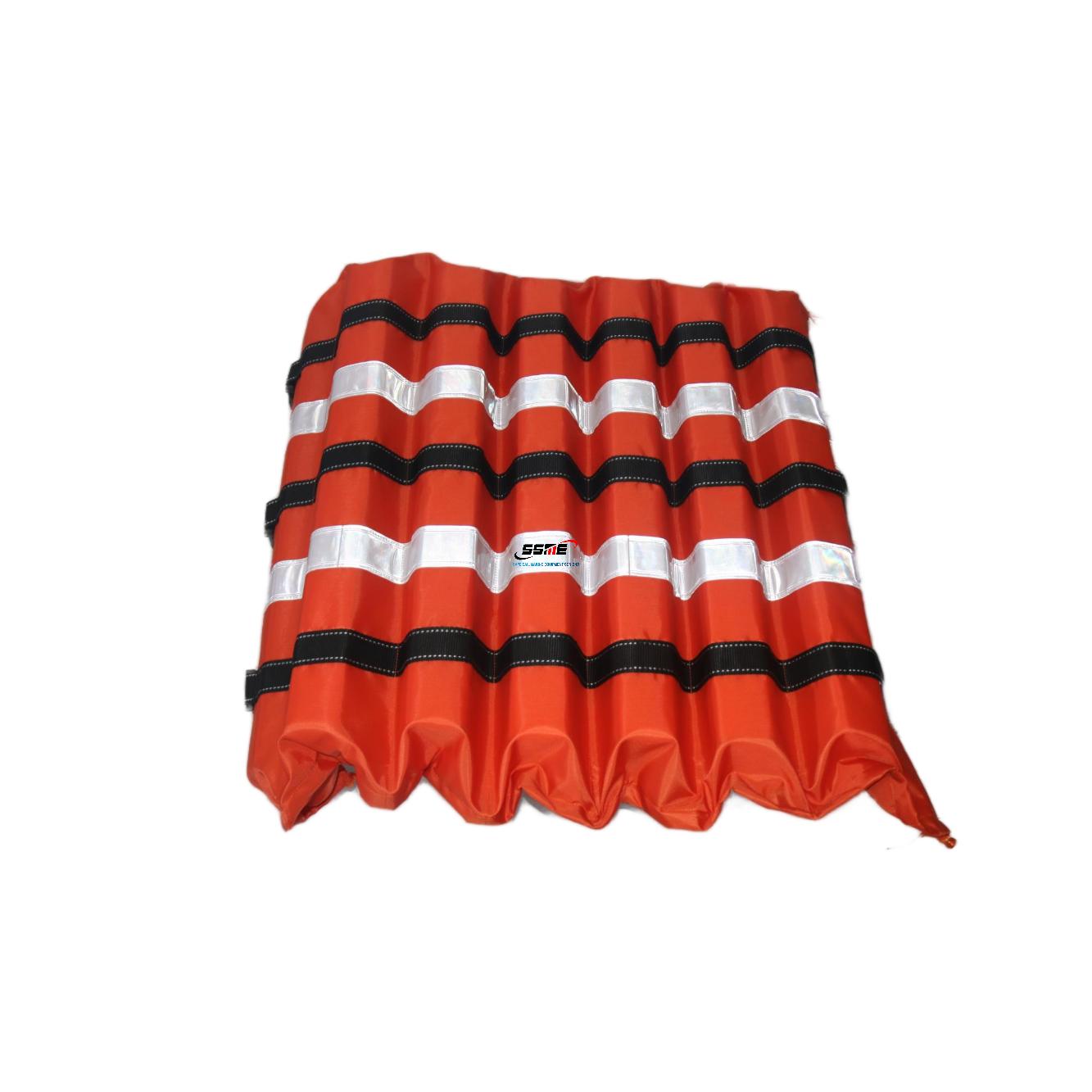
The materials used in the production of marine fittings play a crucial role in their performance and longevity. Common materials include stainless steel, brass, and bronze, each offering distinct advantages. Marine Stainless Steel Fittings are particularly favored for their corrosion resistance and strength, making them ideal for use in saltwater environments.
Manufacturing standards are equally important, as they ensure that fittings meet the necessary safety and quality requirements. International standards, such as those set by the International Maritime Organization (IMO) and the American Bureau of Shipping (ABS), provide guidelines for the design, testing, and certification of marine fittings. Adherence to these standards is essential for ensuring the safety and reliability of marine components.
Quality assurance and rigorous testing are critical components of the manufacturing process for marine fittings. Manufacturers must implement comprehensive quality control measures to detect and rectify defects before products reach the market. Testing procedures often include pressure testing, corrosion resistance assessments, and mechanical stress tests. These tests ensure that the fittings can withstand the demanding conditions of marine environments and maintain their integrity over time.
Selecting a reputable Marine Fittings manufacturer is crucial for obtaining high-quality components. A reliable manufacturer will have a proven track record of producing durable and compliant fittings. Key factors to consider when choosing a manufacturer include:
Certification: Ensure the manufacturer holds relevant certifications, such as ISO 9001, which indicates adherence to quality management standards.
Experience: Look for manufacturers with extensive experience in producing marine fittings, as this often correlates with higher quality products.
Customer Reviews: Research customer feedback and reviews to gauge the manufacturer's reputation and reliability.
After-Sales Support: Consider manufacturers that offer robust after-sales support, including warranties and technical assistance.
The marine industry is continuously evolving, with innovations in materials and design enhancing the performance of marine fittings. Recent advancements include the development of Heavy Duty Marine Fittings that offer superior strength and durability. Additionally, UV-resistant materials are being used to create UV Resistant Marine Fittings, which are less susceptible to degradation from sun exposure.
Another area of innovation is the integration of smart technologies into marine fittings. These technologies enable real-time monitoring of the fittings' condition, allowing for predictive maintenance and reducing the risk of unexpected failures. Such advancements are paving the way for more efficient and safer maritime operations.
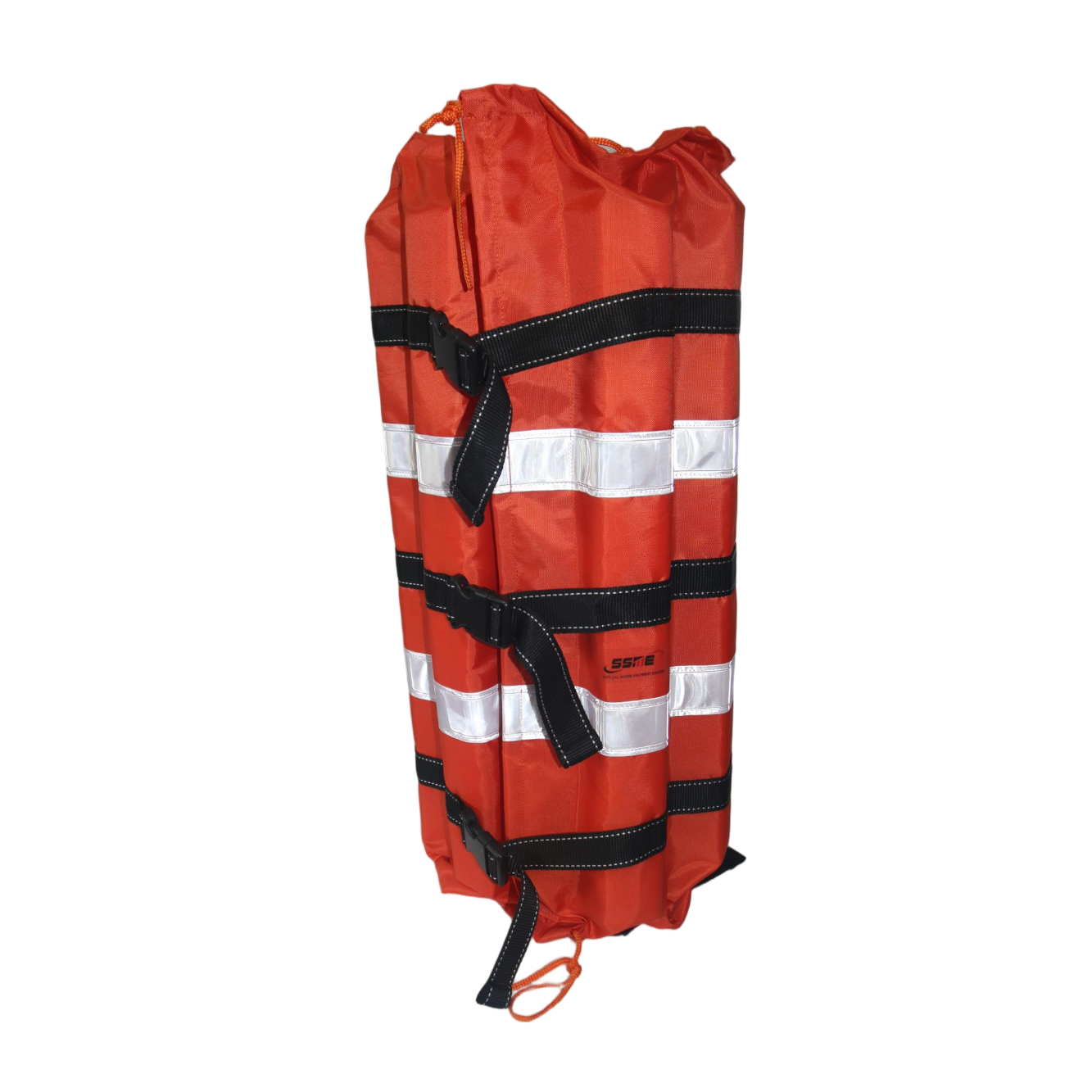
Several case studies highlight the impact of quality marine fittings on vessel safety. For instance, a study conducted by the Maritime Safety Authority found that vessels equipped with High-Strength Marine Fittings experienced fewer incidents of system failures compared to those with standard fittings. This underscores the importance of investing in high-quality components to enhance safety and reliability.
In another example, a shipping company reported significant cost savings and reduced downtime after upgrading to advanced marine fittings. The new fittings not only improved the vessel's performance but also extended the maintenance intervals, leading to increased operational efficiency.
In conclusion, the quality of marine fittings is a critical factor in ensuring vessel safety and operational efficiency. By selecting the right materials, adhering to manufacturing standards, and choosing reputable manufacturers, stakeholders can significantly enhance the safety and performance of their vessels. The ongoing innovations in marine fittings, such as the development of high-strength and UV-resistant components, further contribute to the industry's advancement. As the maritime sector continues to evolve, the importance of quality marine fittings will remain paramount in safeguarding lives, cargo, and the environment.


