
English


Shanghai, December 5, 2025 – SSME (Safe Sail Marine Equipment Sdn Bhd), a global leader in maritime technology and equipment, concluded a highly successful participation in Marintec China 2025 (the 22nd China International Maritime Technology Conference and Exhibition) held from December 2 to 5 in S
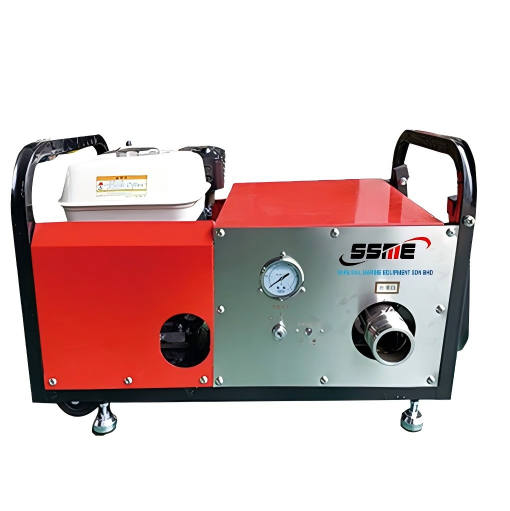
Avoid catastrophic failures. Compare foam transfer pump vs fire pump specs, mechanics, and NFPA compliance to ensure reliable fire protection.
Shanghai, December 5, 2025 – SSME (Safe Sail Marine Equipment Sdn Bhd), a global leader in maritime technology and equipment, concluded a highly successful participation in Marintec China 2025 (the 22nd China International Maritime Technology Conference and Exhibition) held from December 2 to 5 in S
Avoid catastrophic failures. Compare foam transfer pump vs fire pump specs, mechanics, and NFPA compliance to ensure reliable fire protection.

Stop marine Class B fires fast with backpack foam fire extinguishers. Gain hands-free mobility, high capacity, and seamless SCBA integration.

Avoid MARPOL fines and PSC detentions. Master marine oily water separator maintenance, 15 ppm compliance, and expert OWS troubleshooting.
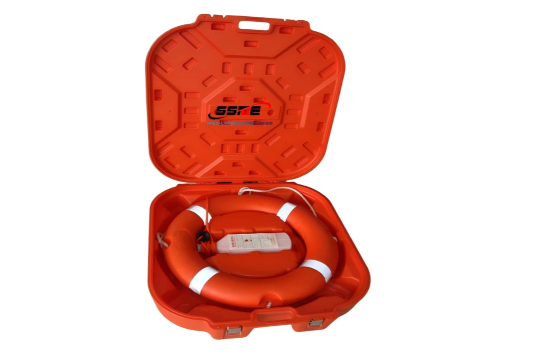
Stop harsh weather from destroying your safety gear. A durable marine lifebuoy storage box ensures SOLAS compliance and rapid MOB rescues.

Ensure MARPOL compliance and avoid PSC fines. Learn how to select marine bilge water separators to process emulsified oil and meet 15 ppm limits.

Prevent MOB delays and SOLAS violations. Master marine lifebuoy storage box installation, zone-specific placement, and durable mounting methods.

Master marine lifebuoy procurement: SOLAS compliance, weight selection, and vendor vetting to avoid detentions and ensure crew safety.


