
English
Views: 0 Author: Site Editor Publish Time: 2025-12-03 Origin: Site


When it comes to water safety, few pieces of equipment are as essential as the life jacket. Whether you’re kayaking, boating, jet skiing, or simply enjoying a day on the beach, a properly fitting life jacket can mean the difference between safety and disaster. However, not all life jackets offer the same level of protection, and even the best design can fail to perform if it doesn’t fit correctly.
A life jacket, also known as a personal flotation device (PFD), is designed to keep your head above water in emergencies. But if it’s too loose, it can ride up over your head or slip off completely. Conversely, if it’s too tight, it can restrict breathing and movement, which can be just as dangerous in the water.
A correctly fitted life jacket ensures:
Buoyancy Efficiency: The jacket’s flotation material stays in position to keep you upright.
Mobility: You can move your arms freely for swimming or paddling.
Comfort: You can wear it for long periods without discomfort.
Safety in Emergencies: It won’t slip off during impact or rough water conditions.
Before focusing on fit, it’s useful to understand the main categories of life jackets recognized by safety authorities such as the U.S. Coast Guard and ISO standards. Each is designed for specific environments and purposes.
Type | Description | Buoyancy (approx.) | Best For |
Type I – Offshore Life Jacket | Provides the most buoyancy and turns most unconscious wearers face-up. | 22 lbs | Rough, open waters or remote areas. |
Type II – Nearshore Buoyant Vest | Less bulky, designed for calm waters. May not turn unconscious wearers face-up. | 15.5 lbs | Inland boating and calm conditions. |
Type III – Flotation Aid | Offers comfort and flexibility for continuous wear. | 15.5 lbs | Kayaking, fishing, and watersports. |
Type IV – Throwable Device | Not wearable; meant to be thrown to someone in distress. | N/A | Boats and docks (as an emergency backup). |
Type V – Special Use Device | Designed for specific activities like windsurfing or kayaking. | Varies | Professional or specialized use. |
Understanding these distinctions helps you choose a life jacket that provides the right balance of safety, comfort, and mobility for your specific activity.
Finding the perfect fit for your life jacket is essential for both safety and comfort. A properly fitted life jacket ensures that it stays securely in place during water activities while allowing you to move freely and breathe comfortably. Here’s a detailed step-by-step guide to help you make sure your life jacket fits just right — whether it’s for boating, kayaking, or any other water sport.
Every life jacket comes with a label that specifies its size range and intended user group. Choosing the right size is the first step toward ensuring safety.
Adult sizes are based on chest measurements (in inches or centimeters). Measure around the fullest part of your chest with a flexible tape to determine your size accurately.
Child sizes are determined by weight range, such as 30–50 lbs or 50–90 lbs. This is because a child’s body proportions and buoyancy differ significantly from adults.
Do not size up. A common mistake is choosing a larger size for comfort, but a loose jacket can ride up or slip off in the water, reducing its effectiveness.
When in doubt, always refer to the manufacturer’s sizing chart, as different brands may have slightly different measurements.
Once you’ve selected the right size, it’s time to adjust the straps. A good-quality life jacket typically has multiple adjustment points — around the shoulders, waist, and sides — allowing you to customize the fit.
Tighten each strap gradually rather than all at once. Start from the bottom (waist) and move upward to the shoulders.
The jacket should feel snug but not restrictive. You should be able to take a deep breath comfortably without feeling squeezed.
Adjust both sides evenly to maintain symmetry; uneven straps can cause the jacket to shift while you’re in motion.
For jackets with zippers, zip up first, then secure the buckles and tighten the straps for a firm hold.
Remember, a well-adjusted life jacket will move with your body — not against it.
The lift test is a simple yet reliable way to confirm that your life jacket won’t slip off in the water. Ask someone to gently pull up on the shoulder straps while you hold your arms straight overhead.
If the jacket rides up to your chin or ears, it’s too loose and could fail to keep your head above water. Tighten the straps or try a smaller size.
If it stays in place and feels secure without restricting movement, you’ve found the right fit.
Performing this test before every water activity — especially if you’ve loaned or borrowed a jacket — ensures maximum safety.
A life jacket should support freedom of movement for paddling, swimming, or fishing. Take a few minutes to move naturally:
Raise your arms as if paddling a kayak.
Twist your torso to simulate turning or balancing.
Bend forward and squat to check for upward movement or discomfort.
The jacket should stay in place without riding up or chafing your neck, shoulders, or underarms. If it feels bulky or rubs against your skin, try adjusting the straps or selecting a model designed for your activity type — for example, paddling vests often feature larger armholes for mobility.
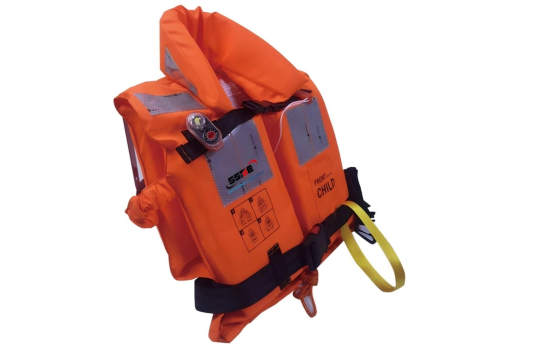
Improperly fitted life jackets are one of the leading causes of drowning among recreational boaters. Be alert for these warning signs:
Problem | What It Means | Fix |
Jacket rides up when lifted | Too loose | Tighten straps or size down |
Feels tight around chest | Too small | Size up or adjust evenly |
Chafing at neck/arms | Poor design or fit | Try a different cut or softer material |
Hard to zip or buckle | Too small or worn out | Replace with correct size |
Moves side to side in water | Insufficient snugness | Re-adjust waist and side straps |
Choose a design appropriate for your activity (Type III for kayaking, Type II for boating).
If you wear bulky clothing underneath (like cold-weather gear), test the fit while wearing it.
Consider a jacket with ventilation panels if you’ll be active for long periods.
Always choose a jacket rated for their weight — not one they’ll “grow into.”
Ensure the jacket includes a crotch strap to prevent it from slipping over their head.
Test it in shallow water to verify buoyancy and comfort.
If you’re bringing a dog on a boat, consider a pet life jacket with a grab handle and reflective strips for visibility.
Buying based on looks alone: Style should come after safety and fit.
Ignoring labels: Certification ensures compliance with flotation standards.
Wearing unbuckled: A loose jacket can easily come off in water.
Using worn-out jackets: UV rays, saltwater, and time degrade materials.
Sharing life jackets of different sizes: A jacket that fits one person may be unsafe for another.
To keep your life jacket in top condition:
Rinse with fresh water after every use to remove salt and debris.
Air dry completely before storing — avoid direct sunlight for long periods.
Inspect annually for rips, loose stitching, or broken buckles.
Store in a cool, dry place away from sharp objects or heavy gear.
A well-maintained life jacket not only lasts longer but also performs better when it matters most.
In real-world emergencies, such as capsizing or unexpected waves, there’s little time to adjust gear. A properly fitted life jacket ensures:
Immediate flotation: You stay buoyant without struggling.
Head support: Keeps your airway above water even if you’re unconscious.
Freedom to move: You can swim or reach safety faster.
A poorly fitted jacket, however, can hinder rescue efforts or even cause panic if it slips or restricts breathing.
A life jacket is only as effective as its fit. Whether you’re an experienced sailor or a first-time paddler, taking the time to find and adjust the right life jacket can prevent accidents and save lives. Always remember to wear it securely, check it regularly, and replace it when signs of wear appear.
For reliable, high-quality life jackets that combine comfort, performance, and certified safety, consider reaching out to www.ssmemy.com. They offer a wide range of marine safety products designed to meet international standards — perfect for recreational and professional use alike. Visit their website to learn more or contact their team for expert guidance on choosing the right life jacket for your needs.


