
English


Water-based activities such as boating, swimming, kayaking, or fishing are enjoyable and refreshing—but they also carry inherent risks. Every year, countless drowning incidents occur that could have been prevented with proper safety awareness and the right equipment. One of the simplest yet most effective lifesaving tools in any aquatic environment is the lifebuoy, also known as a life ring or life-saving buoy.
Understanding how to use a lifebuoy correctly can make the difference between life and death in an emergency situation. Whether you’re on a ship, near a swimming pool, or by a riverside, knowing the correct steps ensures quick and effective rescue. This article explains what a lifebuoy is, how it works, when and how to use it, and why it’s an essential part of water safety systems.
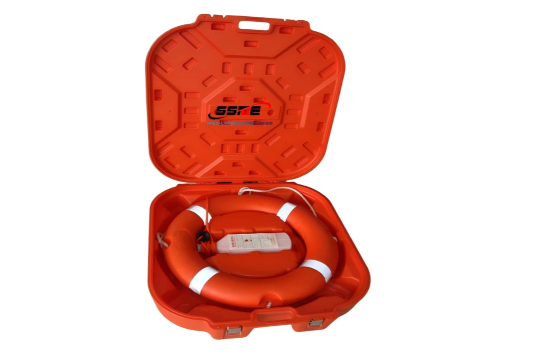
A lifebuoy is a ring-shaped flotation device designed to be thrown to a person struggling in the water. It helps them stay afloat until they can be rescued or reach safety. Lifebuoys are a mandatory piece of safety equipment on most marine vessels, docks, and swimming pools.
Typically, a standard lifebuoy is circular, made of synthetic foam or plastic, and covered with durable waterproof materials such as polyethylene (PE) or polyurethane (PU). The bright orange color and reflective strips increase visibility in both daylight and nighttime conditions. Many lifebuoys also come with a grab line (rope) fixed around the perimeter for better grip and handling.
Lifebuoys play a vital role in preventing drownings and ensuring rapid response during emergencies. Their design allows rescuers to provide buoyancy to victims without entering the water, which minimizes additional risk.
Here’s why every waterfront or vessel needs lifebuoys:
Instant flotation support: Keeps a person above water even if they are exhausted, injured, or unconscious.
Non-intrusive rescue: Allows rescuers to help from a safe distance without endangering themselves.
High visibility: Bright colors and reflective strips make it easy to spot from afar, especially in rough conditions.
Durable and weather-resistant: Built to withstand long-term exposure to sun, salt, and moisture.
Required by law: Most maritime authorities and safety standards mandate the presence of lifebuoys on vessels, docks, and public swimming areas.
A lifebuoy’s effectiveness lies in its simple but robust design. Below are its key components:
Component | Description |
Outer Shell | Usually made from rigid polyethylene (PE) or polyurethane (PU), offering water resistance and UV stability. |
Inner Core | Filled with closed-cell foam that provides buoyancy and prevents water absorption. |
Grab Line | A rope secured around the ring for the person to hold onto or for rescuers to pull them in. |
Reflective Tape | Enhances visibility in low light or night rescues. |
Color | Bright orange or red for easy spotting on water surfaces. |
Some advanced lifebuoys also feature built-in lights or automatic self-activating beacons that trigger when they hit the water, improving visibility during nighttime emergencies.
A lifebuoy should be used whenever someone:
Falls overboard or accidentally enters the water.
Is struggling to swim or stay afloat.
Is caught in a current or undertow.
Appears unconscious or panicked in water.
Needs assistance reaching a rescue vessel or shore.
Quick response is critical. The faster a lifebuoy is deployed, the higher the chances of survival.
Knowing how to use a lifebuoy correctly can make the difference between life and death during a water emergency. Whether at a pool, marina, or onboard a ship, following the right steps ensures a safe and efficient rescue.
Step 1: Identify the Emergency
The moment you notice someone struggling in the water, raise the alarm immediately. Shout for help, alert nearby lifeguards, or contact emergency services. Quick action is vital to prevent panic or drowning.
Step 2: Grab the Lifebuoy
Locate the nearest lifebuoy, usually mounted on a wall, dock, or railing. Make sure it’s in good condition and easily detachable. In emergencies, every second counts—avoid wasting time looking for misplaced or damaged equipment.
Step 3: Secure the Rope
If the lifebuoy has an attached rescue line, firmly hold the free end or tie it to a fixed point such as a post, railing, or cleat. This ensures you can safely pull the person back once they reach the lifebuoy.
Step 4: Aim and Throw
Position yourself securely with feet shoulder-width apart for balance. Aim to throw the lifebuoy just beyond the person’s position so it floats back toward them. Avoid throwing directly at their head or chest to prevent injury.
Step 5: Guide and Pull
Encourage the victim to grab the lifebuoy firmly. If a rope is attached, slowly and steadily pull them toward a safe edge—such as the poolside, dock, or rescue boat. Avoid sudden jerks that could cause the person to lose grip.
Step 6: Maintain Communication
Keep talking to the person throughout the rescue. Calm instructions and reassurance can help them stay alert and reduce panic until they are safely out of the water.
Mastering these steps ensures that anyone, even without formal training, can perform a quick, effective, and life-saving response in an emergency.
Even with a simple device like a lifebuoy, mistakes can compromise the rescue effort. Avoid these common errors:
Throwing too short: Always aim slightly past the victim, not at or before them.
Not securing the rope: If the rope end slips away, you lose control over the buoy.
Entering the water unnecessarily: Only enter the water if you’re trained and conditions are safe.
Improper storage: A lifebuoy left under direct sun or poorly maintained can lose buoyancy or crack over time.
Using damaged equipment: Always inspect lifebuoys periodically for cracks, water absorption, or frayed ropes.
Proper maintenance ensures your lifebuoy remains ready for emergencies. Follow these best practices:
Regular Inspections – Check for cracks, fading, or deformities in the outer shell.
Rope Check – Replace frayed or weakened ropes immediately.
Clean Surface – Rinse off salt and debris to prevent surface damage.
Proper Storage – Keep lifebuoys mounted on brackets, away from heat sources or sharp edges.
Visibility – Make sure the lifebuoy remains bright and clearly marked for easy identification.
Well-maintained lifebuoys can last for years while remaining dependable in emergencies.
Modern lifebuoys are made from lightweight, durable, and weather-resistant materials designed to withstand harsh marine environments:
Polyethylene (PE): Offers excellent impact resistance and UV stability.
Polyurethane (PU): Provides flexibility and superior buoyancy.
Closed-cell foam cores: Prevent water absorption, ensuring consistent performance.
Industrial-grade models may feature PVC-coated outer layers for easier cleaning and longer durability, particularly useful in commercial shipping, offshore operations, or rescue teams.
Different countries enforce specific safety regulations for lifebuoys under maritime laws. Some of the most recognized standards include:
SOLAS (Safety of Life at Sea): Requires vessels to carry a minimum number of lifebuoys based on their size.
USCG (United States Coast Guard) Approval: Ensures buoyancy, material quality, and reflective visibility.
EN ISO 12402-4: Specifies performance requirements for life-saving appliances used in Europe.
When purchasing or installing lifebuoys, always ensure they are certified to meet local or international standards for safety and reliability.
Strategic placement is crucial for quick response. Follow these guidelines for effective deployment:
Install lifebuoys at regular intervals along docks, pools, or ship decks.
Mount them within arm’s reach and at visible heights (about 1.5 meters from the ground).
Keep throw ropes coiled neatly beside them for immediate use.
Ensure signs indicate their location clearly, even at night.
Accessibility can make a life-saving difference in emergencies where every second counts.
Lifebuoys are only effective when people know how to use them correctly. Conduct regular safety drills at workplaces, marinas, and recreational areas to teach basic rescue techniques. Public education campaigns—especially near beaches and rivers—help raise awareness about water safety, significantly reducing accidental drownings.
Encouraging everyone, from children to professional sailors, to understand the basics of lifebuoy use builds a culture of safety in aquatic environments.
A lifebuoy may seem like a simple ring of foam, but in moments of crisis, it can be the most powerful tool for saving lives. Knowing how to use a lifebuoy properly—along with maintaining it in good condition—can ensure swift, effective action during water emergencies. Whether you’re a casual swimmer, boat operator, or marine professional, being prepared is the key to preventing tragedy.
For those looking for high-quality, certified lifebuoys and other marine safety products, visit www.ssmemy.com. www.ssmemy.com offers a wide range of reliable, durable, and compliant life-saving equipment suitable for personal, commercial, and industrial use. Their products combine performance, visibility, and long-lasting protection—helping ensure that every moment on the water remains as safe as it is enjoyable.


