Introduction
Fire hydrants are among the most familiar yet least understood forms of Firefighting Equipment. We pass them daily on streets, near factories, and beside homes, rarely considering how they perform during real emergencies. When a fire breaks out, a Fire Hydrant must deliver large volumes of water instantly and reliably. That performance depends on engineering, pressure control, and system coordination. In this article, we explain how fire hydrants work, how they connect to municipal water systems, and why their design, testing, and maintenance are essential for effective firefighting and property protection.
How Fire Hydrants Work: Step-by-Step Water Delivery
Connection to Municipal Water Supply
A fire hydrant does not store water inside its body. Instead, it serves as a controlled access point to underground municipal water mains. These mains are already pressurized through pumps, gravity systems, or elevated tanks. When firefighters arrive, they rely on this existing pressure to supply water immediately. This design allows Firefighting Equipment to deliver massive water volumes without delay. Because hydrants connect directly to city water networks, their performance depends on pipe size, network condition, and system pressure. The hydrant itself simply opens the path, allowing water to move where it is urgently needed.
Valve Operation and Water Flow Control
The heart of a Fire Hydrant is its internal valve system. When a firefighter turns the operating nut using a hydrant wrench, it rotates a long stem inside the hydrant body. This stem lifts the main valve from its seat, opening a direct channel from the water main into the hydrant barrel. Hydrants are designed to operate fully open rather than partially open. This prevents internal leakage and protects underground components. Once opened, water flows freely upward, ready to be directed into hoses as part of the broader Firefighting Equipment system.
From Hydrant to Fire Engine
After the valve opens, firefighters attach hoses to the hydrant outlets. Water flows into the hoses and then into the fire engine. At this stage, the engine’s pump often boosts pressure and controls distribution. This allows crews to supply multiple hose lines or reach higher elevations. The hydrant provides volume, while the engine provides control and pressure management. Together, they form a coordinated system where each piece of Firefighting Equipment plays a clear role in delivering water efficiently to the fire scene.
Tip:Facility managers should ensure hydrants near critical assets are compatible with local fire department hose connections.
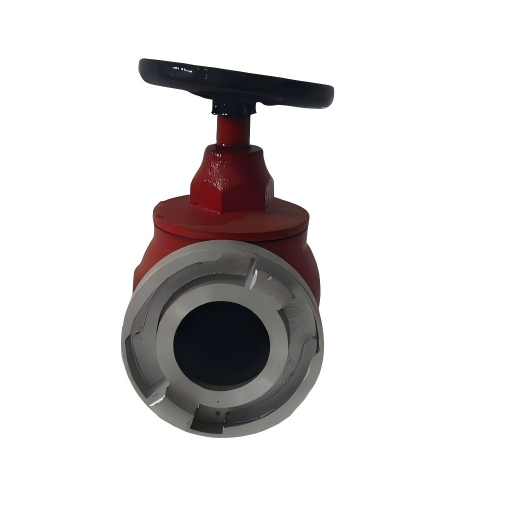
Internal Components That Make Fire Hydrants Work
Main Structural Components
A fire hydrant operates reliably because each structural component is engineered to handle pressure, corrosion, mechanical stress, and long idle periods. Understanding how these parts function together helps engineers, inspectors, and facility managers evaluate durability, maintenance priorities, and overall Firefighting Equipment performance.
| Component | Primary Function | Common Materials | Typical Technical Parameters | Operational Application | Key Notes & Inspection Focus |
| Bonnet | Protects operating mechanism and stem nut | Ductile iron, cast iron | Wall thickness: ~6–12 mm (varies by rating) | Shields internal parts from weather and impact | Check for cracks, corrosion, and secure fit |
| Barrel | Forms main body and water passage | Ductile iron with epoxy lining | Height above ground: ~600–900 mm | Houses stem and guides water flow | Exterior damage may affect alignment |
| Stem | Transfers rotation from nut to valve | Stainless steel or coated steel | Length: up to 1.5–2 m (dry barrel types) | Opens and closes main valve | Must rotate smoothly without binding |
| Operating Nut | Interface for hydrant wrench | Forged steel or iron | Standard pentagonal, ~32 mm | Prevents unauthorized operation | Inspect for rounding or wear |
| Main Valve | Controls water entry from supply main | Bronze or rubber-faced iron | Seat diameter: often 100–150 mm | Seals water when hydrant is closed | Seat wear causes leakage |
| Valve Seat | Provides sealing surface | Bronze or composite | Designed for full-open sealing | Maintains pressure integrity | Debris can prevent proper sealing |
| Drain Valve (dry barrel) | Empties barrel after shutdown | Brass or bronze | Opens automatically when closed | Prevents freezing | Test drainage after operation |
| Flange / Breakaway Section | Protects underground piping | Cast or ductile iron | Engineered shear point | Reduces damage after vehicle impact | Ensure alignment after minor strikes |
| Protective Coating | Prevents corrosion | Epoxy or fusion-bonded coating | Thickness: ~250–500 μm | Extends service life | Inspect for coating failure |
| Fasteners & Gaskets | Maintain assembly integrity | Stainless steel, rubber | Pressure-rated for system | Prevent leaks and loosening | Aging gaskets may need replacement |
Tip:For long-term reliability, asset managers should track hydrant component materials and ages, as mixed-material systems age differently and influence inspection frequency and replacement planning.
Nozzles and Outlet Configuration
Hydrants usually feature multiple outlets, including smaller hose nozzles and a larger pumper outlet. This configuration allows firefighters to connect several hoses or supply an engine quickly. Multiple outlets improve flexibility during complex incidents, such as large structure fires. Standardized threads and connectors ensure compatibility with firefighting hoses. This standardization allows Firefighting Equipment from different manufacturers to work together smoothly during emergencies.
Safety-Oriented Design Features
Fire hydrants are built with safety in mind. Many include breakaway flanges that separate cleanly if struck by a vehicle, protecting underground water mains from damage. Operating nuts often use special shapes to discourage unauthorized use. Caps shield outlets from debris and corrosion. These design choices reduce risk during both normal operation and unexpected impacts. As public Firefighting Equipment, hydrants must balance accessibility with protection.
Wet Barrel vs. Dry Barrel Hydrants: How Design Affects Operation
How Wet Barrel Hydrants Work
Wet barrel hydrants are common in warm climates where freezing is rare. In this design, water remains inside the hydrant barrel at all times. Each outlet has its own valve, allowing firefighters to open or close hoses independently. This setup provides fast access and operational flexibility. Because water is always present, firefighters can connect hoses and begin flowing water almost immediately. Wet barrel hydrants are widely used Firefighting Equipment in regions without freezing temperatures.
How Dry Barrel Hydrants Work
Dry barrel hydrants are designed for cold climates. Their main valve sits below the frost line, keeping water underground until the hydrant is opened. When the valve closes, internal drains remove water from the barrel. This prevents freezing and damage. Although water takes slightly longer to reach the outlet, the design ensures reliability in winter conditions. Dry barrel hydrants are the dominant Fire Hydrant type in areas with harsh winters.
Choosing the Right Hydrant Design
Selecting the right hydrant design depends on climate, soil conditions, and operational needs. Municipal planners consider freeze risk, maintenance practices, and emergency response patterns. A well-chosen hydrant design ensures dependable performance when fires occur. From an infrastructure perspective, hydrant selection is a strategic Firefighting Equipment decision that directly supports long-term fire protection goals.
Tip:Climate analysis should guide hydrant type selection during new developments or system upgrades.
Water Pressure, Flow Rates, and Firefighting Performance
Understanding Fire Hydrant Pressure
Fire hydrant pressure is a hydraulic outcome of the municipal water distribution system, shaped by elevation, pipe diameter, pump stations, and system demand. By separating static, residual, and flow-related pressures, firefighters and engineers can accurately judge whether available Firefighting Equipment will perform as expected under real fireground conditions.
| Pressure Type / Factor | Definition | Typical Range | Units | Operational Application | Key Technical Notes |
| Static Pressure | Pressure in the system with no water flowing | 50–150 (common urban systems) | psi | Establishes baseline system strength | Measured before opening hydrant; varies by elevation and network design |
| Residual Pressure | Pressure remaining while hydrant is flowing | ≥ 20 recommended minimum (NFPA practice) | psi | Confirms usable pressure during firefighting | Below threshold may weaken hose streams and nozzle performance |
| Flow Pressure | Effective pressure at a given discharge rate | Depends on flow and friction loss | psi | Determines achievable flow without collapse | Drops as flow increases due to pipe friction |
| Friction Loss | Pressure loss caused by pipe length, diameter, and roughness | Calculated, not fixed | psi | Used in hydraulic modeling and planning | Older or corroded pipes increase loss significantly |
| Elevation Impact | Pressure change due to height difference | ~0.433 per foot of elevation | psi/ft | Affects high-rise and hillside firefighting | Higher elevations reduce available pressure |
| Pump Influence | Pressure added by booster or fire pumps | +50 to +150 typical fire pump | psi | Restores pressure when hydrant supply is low | Pumps do not increase volume, only pressure |
| System Demand Effect | Pressure drop from simultaneous water use | Variable, time-dependent | psi | Critical during peak municipal usage | Testing often done during low-demand periods |
| Measurement Method | Tools used to record pressure | Gauge at hydrant outlet | psi | Provides repeatable field data | Gauges must be calibrated for accuracy |
| Safety Threshold | Minimum pressure to avoid contamination | ≥ 20 residual | psi | Prevents backflow and negative pressure | Falling below may risk water quality |
| Planning Reference | Use in fire flow calculations | Based on test data | — | Supports code compliance and design | Data feeds insurance and risk models |
Tip:For industrial or campus-scale sites, comparing hydrant residual pressure data against fire pump capacity helps engineers confirm that pressure support is balanced, avoiding over-reliance on pumps during peak-demand fire scenarios.
Flow Rates and Fire Suppression Capability
Flow rate, measured in gallons per minute, indicates how much water a hydrant can supply. Typical hydrants deliver hundreds or thousands of gallons per minute, depending on system capacity. Larger buildings or industrial sites may require water from multiple hydrants simultaneously. This shared supply approach ensures sufficient water volume for extended operations. High flow capability makes the Fire Hydrant a powerful tool in large-scale firefighting.
How Firefighters Assess Hydrant Performance
Fire departments regularly test hydrants to assess flow and pressure. These tests help crews understand which hydrants offer the strongest supply. During emergencies, firefighters use visual markings and local knowledge to choose the best hydrant. This decision-making process allows Firefighting Equipment to be used efficiently, saving time when seconds matter.
Fire Hydrant Color Coding and What It Communicates
Purpose of Hydrant Color Systems
Hydrant color systems are designed to translate hydraulic test data into instant visual signals. After flow testing, authorities assign colors based on measured discharge capacity at acceptable residual pressure, not on appearance preference. This allows firefighters to estimate usable water volume before connecting hoses. From an engineering view, color coding reduces decision time and cognitive load under stress. It also standardizes communication between fire departments, planners, and inspectors, turning the Fire Hydrant into a data-driven element of the wider Firefighting Equipment framework.
Common Color Categories and Flow Meaning
Most color systems are derived from tested flow ranges tied to gallons per minute at defined pressure thresholds. Higher-capacity hydrants are marked to indicate their ability to support multiple attack lines or large-diameter supply hoses. Lower-capacity colors signal limited discharge suitable for smaller incidents. While exact schemes differ by jurisdiction, the scientific basis remains consistent: color reflects verified hydraulic performance. This alignment between testing results and visual coding ensures Firefighting Equipment selection matches real water supply capability.
Color Coding in Fireground Decision-Making
During active operations, color-coded hydrants support rapid tactical choices. Incident commanders use color cues to assign engines, determine relay pumping needs, and decide whether additional water sources are required. Crews arriving from different directions can independently select appropriate hydrants without verbal coordination. This shared visual language improves efficiency and reduces setup errors. When combined with training and local knowledge, hydrant color coding strengthens situational awareness and maximizes the operational value of Firefighting Equipment on complex firegrounds.
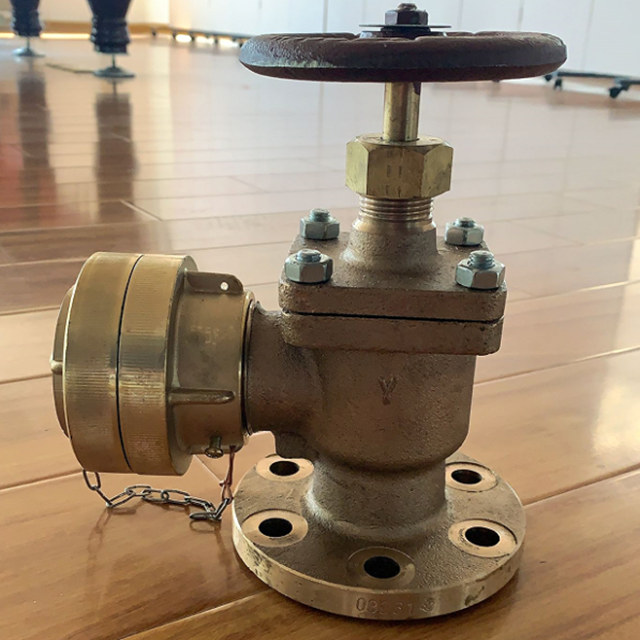
Keeping Fire Hydrants Operational for Emergencies
Routine Inspection and Readiness
Routine inspection goes beyond visual confirmation and focuses on keeping each Fire Hydrant mechanically prepared for immediate use. Inspectors verify that operating nuts turn smoothly, caps can be removed without force, and internal drains function correctly after closure. Clearance distances are measured to ensure hose connections remain unobstructed by landscaping or vehicles. Seasonal checks are also important, especially in cold regions, where inspectors confirm valves sit below the frost line and barrels remain dry. These practices ensure Firefighting Equipment performs reliably after long idle periods.
Flow Testing and Performance Verification
Before a fire hydrant is relied on during an emergency, flow testing is used to confirm that it can actually deliver enough water at usable pressure. This process combines hydraulic measurements, field procedures, and reference standards to give fire departments and facility managers a clear, practical picture of hydrant performance and overall Firefighting Equipment readiness.
| Aspect | What Is Evaluated | Typical Data / Parameters | Units | Application Value | Key Notes & Precautions |
| Static Pressure | Water pressure with no flow | 50–150 (common municipal range, varies by area) | psi (pounds per square inch) | Indicates baseline system pressure before firefighting demand | Measured with all outlets closed; sudden changes may indicate network issues |
| Residual Pressure | Pressure while water is flowing | ≥ 20 recommended minimum (NFPA reference) | psi | Confirms system stability during active firefighting | Pressure below threshold may reduce hose stream effectiveness |
| Flow Rate (Discharge) | Volume of water delivered during test | 500–1,500+ depending on hydrant class | GPM (gallons per minute) | Determines if hydrant supports residential or large commercial fires | Often measured using pitot gauge and nozzle coefficient |
| Pitot Pressure | Velocity pressure at nozzle outlet | Commonly 10–40 during tests | psi | Used to calculate actual flow rate | Requires clear, unobstructed stream for accuracy |
| Nozzle Diameter | Size of outlet used for testing | 2.5 (hose), 4–5 (pumper outlet) | inches | Affects calculated flow and friction loss | Must match test formulas to avoid false results |
| Valve Operation | Full-open valve performance | Full open only (no throttling) | — | Ensures proper internal sealing and drainage | Partial opening can cause internal leakage or soil erosion |
| Test Duration | Length of sustained flow | 1–3 typical show test | minutes | Confirms consistency under load | Longer tests may be used for critical facilities |
| Frequency of Testing | How often flow tests are performed | Every 5 (NFPA guidance), more often for private systems | years | Maintains compliance and planning data | Visual inspections are typically annual |
| Data Recording | Documentation of results | Pressure, flow, date, hydrant ID | — | Supports planning, insurance, and audits | Digital records reduce human error |
| System Impact Check | Effect on surrounding network | No negative pressure allowed | psi | Prevents contamination risk | Sudden drops can trigger boil-water advisories |
Tip:For industrial sites and large campuses, linking hydrant flow test data with digital inspection logs helps teams spot pressure trends early and prioritize upgrades before fire demand exposes weak points.
Role of Maintenance in Fire Protection Systems
Effective maintenance treats the Fire Hydrant as one element within a hydraulically balanced fire protection network. Maintenance programs align hydrant condition with fire pumps, control valves, and underground mains to ensure compatible pressure and flow performance. Lubrication of stems, verification of drain function, and periodic seat inspection reduce friction losses and internal wear. Coordinated maintenance data also supports hydraulic modeling and fire flow calculations, helping engineers confirm that all Firefighting Equipment operates as a unified, reliable system during emergencies.
Conclusion
Fire hydrants are engineered access points that supply water quickly and reliably during emergencies. Their valves, pressure control, components, and maintenance practices determine how well Firefighting Equipment performs under real fire conditions. Understanding hydrant operation, testing, color coding, and system coordination helps firefighters, facility managers, and cities improve response efficiency and safety. Well-maintained hydrants protect lives, property, and infrastructure over the long term. Safe Sail Marine Equipment Sdn Bhd. delivers dependable fire protection solutions designed to support system readiness, durability, and consistent performance across demanding industrial and municipal environments.
FAQ
Q: How does a Fire Hydrant work during a fire?
A: A Fire Hydrant opens a valve to release pressurized water, supporting Firefighting Equipment operations.
Q: Why is a Fire Hydrant important Firefighting Equipment?
A: A Fire Hydrant supplies high water volume, making Firefighting Equipment effective and fast.
Q: What pressure comes from a Fire Hydrant?
A: A Fire Hydrant uses municipal pressure, enabling Firefighting Equipment to maintain strong streams.
Q: How much does Fire Hydrant maintenance cost?
A: Fire Hydrant costs vary, but regular care protects Firefighting Equipment reliability.
Q: What causes Fire Hydrant performance issues?
A: Poor testing or blocked Fire Hydrant access can weaken Firefighting Equipment response.


