
English
Views: 0 Author: Site Editor Publish Time: 2025-11-27 Origin: Site


Marine environments present unique challenges when it comes to waste management. Whether it’s a small recreational boat, a yacht, or a large commercial vessel, proper disposal of wastewater is essential to protect marine ecosystems and comply with environmental regulations. That’s where the marine pump out system plays a critical role.
This article explains how a marine pump out works, its types, components, operation process, and maintenance tips. By understanding the function and importance of marine pumps, vessel owners can ensure safe, efficient, and environmentally responsible waste handling.
A marine pump out system is designed to remove wastewater (commonly called “black water” or “sewage”) from a vessel’s onboard holding tank and transfer it to a shore-based or mobile disposal facility.
Every vessel equipped with toilets or sanitation systems has a holding tank that collects sewage. Over time, this tank fills up and must be emptied to maintain proper function and prevent overflow. The marine pump out system provides a clean and efficient method for this transfer—without discharging waste directly into the water.
Marine pump outs are used at:
Marinas and harbors
Commercial shipyards
Passenger vessels and ferries
Private yachts and pleasure boats
They ensure compliance with international maritime pollution (MARPOL) standards and local environmental laws that prohibit direct sewage discharge in coastal waters.
Marine pump outs are more than just convenience systems—they are critical for environmental protection and public health.
Here’s why they’re essential:
Prevent Water Pollution: Discharging untreated sewage can release harmful bacteria, nutrients, and chemicals into marine ecosystems, degrading water quality.
Protect Marine Life: Wastewater nutrients promote algal blooms that deplete oxygen, harming fish and coral reefs.
Compliance with Regulations: Most countries enforce strict laws (e.g., MARPOL Annex IV) requiring vessels to use proper waste management systems.
Enhance Marina Reputation: Clean and sustainable marina operations attract responsible boaters and improve environmental certifications.
By integrating an efficient marine pump out system, both marinas and individual vessel owners contribute to cleaner and safer waterways.
A marine pump out system typically consists of several key components designed to work together for safe waste transfer.
Component | Function |
Pump Unit | The central device that creates suction or pressure to move sewage from the holding tank to the disposal system. Common types include diaphragm pumps, vacuum pumps, and centrifugal pumps. |
Hoses and Fittings | Flexible, corrosion-resistant hoses connect the vessel’s holding tank to the pump system. Sealed fittings prevent leaks and odors. |
Deck Fitting (Boat Connection Point) | The external port on the vessel where the pump-out hose connects. Usually labeled “WASTE” for easy identification. |
Valves and Check Valves | Control flow direction and prevent backflow during pumping. |
Control Panel / Switches | Used to operate and monitor the pump-out process safely. |
Holding Tank | Stores sewage onboard until it’s transferred. Constructed from durable materials like polyethylene or fiberglass. |
Each component must be properly installed and maintained to ensure efficient performance and compliance with sanitation standards.
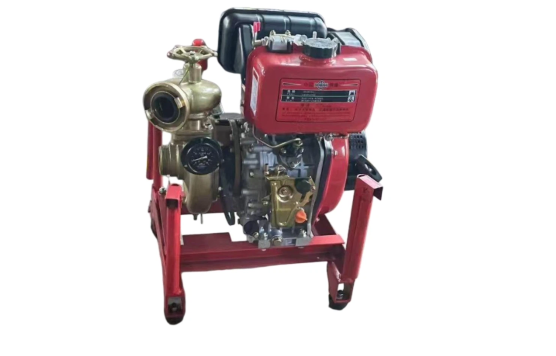
The marine pump out operation involves transferring sewage from the vessel’s holding tank to a disposal system, typically at a marina pump-out station.
Here’s a detailed step-by-step explanation:
The vessel approaches the designated pump-out dock.
The operator ensures the pump-out station is operational and the hoses are clean.
Personal protective equipment (gloves, eye protection) is worn for safety.
The pump-out hose is connected to the deck fitting marked “WASTE” on the boat.
The connection must be secure to prevent leaks or spills.
A valve or vacuum control lever is checked to ensure proper flow direction.
The pump system (vacuum or diaphragm type) is activated.
The pump creates suction, drawing sewage through the hose and transferring it to the receiving tank or shore-based sewer connection.
The operator monitors pressure gauges or sight glasses to ensure the flow is steady.
Once the holding tank empties, a noticeable change in sound or suction pressure indicates completion.
The operator closes the valve before disconnecting.
The system is flushed with clean water to remove residual waste.
Some facilities provide a freshwater hose for rinsing the deck and fittings.
The connection is carefully removed, and any spills are cleaned immediately.
The collected waste in the marina’s holding tank is transferred to a municipal treatment facility or onboard treatment system for processing.
This simple yet effective process ensures that no untreated waste enters the marine environment.
Marine pump out systems come in several types, depending on the size of the vessel and the facility setup.
Operated using a hand or lever pump.
Common on small boats or portable systems.
Cost-effective but requires physical effort and more time.
Use electric diaphragm or macerator pumps.
Ideal for medium-sized vessels and marinas.
Offer faster and cleaner operation.
Most efficient for marinas and large facilities.
Create a vacuum to draw waste directly from the holding tank.
Allow longer hose runs and multiple connection points.
Minimal risk of leakage or odor.
Mounted on trolleys or small boats.
Used to service vessels moored away from fixed stations.
Convenient for large marinas or harbors with multiple berths.
Each type offers different levels of portability, suction strength, and maintenance requirements. The right choice depends on vessel size, marina infrastructure, and pumping frequency.
When selecting a marine pump or pump-out system, consider these essential features:
Corrosion Resistance – Pumps should be made from marine-grade materials such as stainless steel or reinforced polymers to resist saltwater corrosion.
High Flow Rate – Ensures quick and efficient waste removal, especially for larger vessels.
Self-Priming Capability – Enables the pump to start suction without manual priming.
Odor Control System – Sealed hoses and valves help prevent unpleasant odors.
Automatic Shutoff – Protects the pump from damage when the tank is empty.
Easy Maintenance – Removable covers or quick-access valves simplify cleaning and repair.
Modern systems often include electronic monitoring sensors that indicate tank levels and prevent overfilling.
Regular maintenance extends the service life of your marine pump and ensures hygienic operation.
Check for cracks, brittleness, or loose fittings that may cause leaks. Replace damaged hoses immediately.
Rinse hoses and fittings with clean water to prevent buildup and odors.
Lubrication keeps valves and diaphragms functioning smoothly, especially in manual systems.
Monitor tank levels regularly to avoid pressure damage or overflow.
Faulty check valves can cause backflow, leading to contamination and odor problems.
Annual inspection by a qualified technician ensures system compliance and detects hidden issues early.
A well-maintained system not only protects your investment but also safeguards marine ecosystems from pollution.
Global and regional maritime organizations enforce strict standards to control sewage discharge:
MARPOL Annex IV (International Maritime Organization): Regulates sewage treatment and discharge from ships.
Clean Vessel Act (CVA) (U.S.): Encourages recreational boat pump outs through federal grant programs.
EU Waste Water Directive: Sets limits for discharge and requires port reception facilities.
Using a compliant marine pump out system ensures vessels meet these regulations while maintaining eco-friendly operations.
The marine industry is moving toward smart and sustainable solutions. Innovations in pump-out systems include:
IoT Monitoring: Remote sensors track tank levels and send alerts for servicing.
Energy-Efficient Pumps: Low-power motors reduce energy consumption at marinas.
Eco-Friendly Materials: Bio-based seals and recyclable components reduce environmental impact.
Automated Dockside Stations: Self-service units that simplify pump-out operations for boaters.
These advancements make waste management safer, faster, and more environmentally responsible than ever before.
Marine pump out systems are indispensable for maintaining sanitary conditions aboard vessels and protecting the marine environment. By efficiently transferring wastewater to treatment facilities, these systems help ensure compliance with environmental regulations and promote sustainable boating practices.
Whether you operate a small recreational craft or manage a busy marina, choosing the right marine pump and maintaining it properly will make a significant difference in both performance and environmental impact.
To Learn More
If you are seeking high-quality marine pump systems designed for durability and environmental compliance, visit www.ssmemy.com.www.ssmemy.com specializes in innovative marine pumps built for long-term reliability and efficient performance. You can learn more about their product range or contact their team for professional assistance tailored to your marine application—without the hard sell.


