Introduction
A small fire can escalate within minutes if people hesitate or misuse emergency tools. In many commercial and industrial buildings, fire hose reels are a critical part of modern Firefighting Equipment, designed to deliver fast and continuous water during early fire stages. However, effectiveness depends on correct knowledge and confident action. In this article, you will learn when fire hose reels should be used, how to operate them safely, and how they fit into an organized fire safety system. Clear guidance and practical insight help reduce risk, protect property, and support calm decision-making when seconds truly matter.
Understanding Fire Hose Reels as Firefighting Equipment
What a Fire Hose Reel Is and How It Supports First-Attack Fire Control
A fire hose reel is a fixed firefighting device connected directly to a building’s water supply. It delivers a continuous stream of water through a semi-rigid Fire Hose, allowing users to control small fires quickly. Unlike portable extinguishers, it does not run out after short discharge. This makes it an important first-attack option within Firefighting Equipment, especiallywhere combustible materials are present. Its design focuses on ease of use, so trained occupants can act fast before fire growth increases risk.
Types of Fire Hose Reels Commonly Used in Buildings
In commercial and industrial buildings, different fire hose reel configurations are selected to match space constraints, user flow, and fire response needs. Understanding how each type performs in real conditions helps facility managers choose and maintain the most suitable Firefighting Equipment for reliable first-attack fire control.
| Hose Reel Type | Typical Installation Location | Structural / Technical Characteristics | Common Technical Specifications* | Application Scenarios | Key Operational Notes |
| Wall-Mounted Fire Hose Reel | Corridors, stairwells, near exits | Fixed steel bracket anchored to wall; direct connection to mains water supply | Hose length: 30–36 m; Hose diameter: 19 mm; Rated flow: ≥0.45 L/s at 220 kPa | Offices, schools, hospitals, retail buildings | Keep 1 m clear space around reel; obstructions slow deployment |
| Swing-Arm Fire Hose Reel | Recessed cabinets, narrow corridors | Pivoting arm allows reel to swing outward; reduces hose friction during pull-out | Swing radius: 90–180°; Same hose and flow ratings as wall-mounted units | High-traffic areas, compact layouts | Cabinet door and swing path must remain unobstructed |
| Cabinet-Enclosed Fire Hose Reel | Fire equipment cabinets along escape routes | Fully enclosed metal cabinet protects hose from UV, dust, and impact | Cabinet depth: 150–250 mm; Lock or break-glass access; Standard 19 mm hose | Public buildings, transport hubs, shopping centers | Ensure signage visibility and easy cabinet opening |
| Heavy-Duty / Industrial Reel | Warehouses, factories, loading areas | Reinforced reel drum and hose guide; designed for harsher environments | Hose abrasion resistance ≥ Class 2 (AS/NZS); Metal guide rollers | Industrial and logistics facilities | Inspect more frequently due to higher mechanical wear |
| Ceiling or Column-Mounted Reel | Large open spaces, car parks | Mounted to vertical columns or ceilings for wider coverage | Coverage radius: up to 36 m hose reach | Parking structures, atriums | Verify mounting load capacity and hose drop clearance |
Tip:When selecting a fire hose reel type, match the reel configuration to human movement patterns, not just floor plans. Smooth hose deployment paths reduce reaction time and help occupants use Firefighting Equipment more effectively under stress.
Fire Classes Suitable for Fire Hose Reel Use
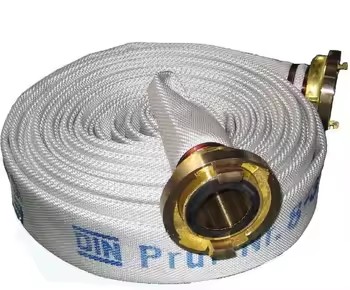
Fire hose reels are designed for Class A fires involving paper, wood, textiles, rubber, or similar solids. These materials respond well to water-based suppression. Using a Fire Hose on suitable fire classes helps cool fuel and reduce flame spread. Correct identification matters, since fire hose reels support safe early control when applied to appropriate fire types. Understanding this ensures the equipment is used effectively as intended.
When and Why to Use Fire Hose Reels
Identifying Early-Stage Fires Suitable for Hose Reels
Fire hose reels are most effective when flames are small and contained. Early-stage fires usually involve limited fuel and low heat output. At this point, a steady water stream from a Fire Hose can cool the fire and stop spread. Recognizing early signs, such as localized smoke or small flames, helps users act before conditions worsen. This timing is critical for safe and effective fire control.
Positioning Fire Hose Reels Within a Firefighting Equipment Strategy
Fire hose reels work best when integrated with other Firefighting Equipment, such as extinguishers and alarms. Extinguishers handle very small fires, while hose reels cover larger areas and longer durations. Their placement along escape routes allows access without blocking exits. Together, these tools form a layered response strategy, improving overall fire readiness in commercial buildings.
Aligning Hose Reel Use with Workplace Fire Safety Plans
Every workplace should define when and how fire hose reels are used. Clear procedures reduce confusion during emergencies. Fire safety plans often specify roles, evacuation triggers, and communication steps. Aligning hose reel use with these plans ensures consistent action and safer outcomes. Training and drills reinforce this alignment and support confident use of Firefighting Equipment.
Tip:Review fire safety plans annually to confirm hose reel procedures still match site risks.
How to Use Fire Hose Reels Step by Step (Core Section)
Pre-Use Safety Actions Before Operating Firefighting Equipment
Before operating a fire hose reel, safety comes first. Users should alert people nearby and activate the fire alarm. This ensures others can evacuate while help is on the way. Always confirm a clear escape route exists behind you. Checking surroundings and staying calm helps reduce panic. These steps prepare users to operate Firefighting Equipment responsibly and protect both themselves and others.
Deploying and Operating the Fire Hose Reel Correctly
Start by breaking the tamper seal if present. Open the stop valve fully to supply water. Pull out only the required length of Fire Hose, avoiding twists or sharp bends. Once positioned, open the nozzle to release water. Controlled deployment prevents hose kinks and maintains steady pressure. This method allows quick response without unnecessary movement or delay.
Aiming, Water Control, and Fire Suppression Techniques
Aim the water stream at the base of the fire, not the flames. This targets the fuel source and improves cooling efficiency. Use smooth side-to-side movements to cover the burning area evenly. Control water flow to avoid excess damage. Proper aiming and control turn the fire hose reel into an effective piece of Firefighting Equipment for early suppression.
Safety-Focused Best Practices During Operation
Maintaining a Clear Escape Path While Using Firefighting Equipment
Maintaining an escape path is a core safety principle supported by fire behavior science. Heat release rates and smoke density can increase rapidly, reducing visibility and oxygen levels within seconds. Positioning between the fire and an exit keeps the egress route within the user’s field of view. Pathways should remain at least 900 mm wide, free from stored materials. Continuous awareness of smoke movement and heat buildup allows timely withdrawal, supporting safer use of Firefighting Equipment under changing fire conditions.
Controlling Hose Movement, Pressure, and Direction
When a Fire Hose is charged, reaction force at the nozzle can exceed 150 N depending on pressure and flow rate. A stable stance with feet shoulder-width apart improves balance and reduces fatigue. Gradual nozzle adjustments help maintain laminar water flow, improving stream reach and accuracy. Sudden direction changes increase torque on wrists and shoulders, raising injury risk. Controlled movement ensures water is applied efficiently while preserving operator safety and equipment integrity.
Coordinating with Others During Fire Hose Reel Use
Team-based operation improves both control and situational awareness. The secondary operator manages hose feed, reducing friction and preventing kinks that cause pressure loss. Clear verbal cues such as “advance,” “hold,” or “withdraw” support coordinated movement. This shared task distribution lowers physical strain and allows the nozzle operator to focus on fire behavior. Effective coordination enhances early suppression success and maximizes the performance of integrated Firefighting Equipment systems.
Actions After Using a Fire Hose Reel
Shutting Down and Securing the Firefighting Equipment
After the fire is fully controlled, shutting down the system in the correct order is essential for equipment safety and longevity. Closing the nozzle first prevents sudden pressure surges that can cause hose whip or internal liner damage. Once flow has stopped, the stop valve should be closed gradually to stabilize system pressure. This sequence helps protect the Fire Hose, nozzle seals, and valve seats from hydraulic shock. A controlled shutdown also reduces long-term stress on connected Firefighting Equipment, ensuring consistent pressure performance and reliable operation during future emergencies.
Rewinding, Depressurizing, and Restoring Readiness
Before a fire hose reel can be considered ready for the next emergency, it must be rewound correctly, depressurized safely, and checked for operational integrity. These steps reduce mechanical stress, prevent hose deformation, and ensure reliable performance as part of professional Firefighting Equipment management.
| Process Stage | Practical Operation | Technical Parameters / Data | Application Value | Key Precautions |
| Hose Rewinding | Rewind the fire hose evenly onto the reel drum while it remains lightly pressurized | Typical hose length: 30–36 m (98–118 ft); hose internal diameter: 19 mm (3/4 in) | Maintains hose shape and prevents flat spots that restrict flow | Avoid crossing layers or sharp bends; uneven winding accelerates liner wear |
| Residual Water Use | Keep residual water inside the hose during rewinding | Residual pressure: approx. 100–300 kPa (15–45 psi) depending on system | Added weight improves smooth coiling and alignment | Do not exceed normal operating pressure during rewinding |
| Pressure Release | Briefly open the nozzle after shut-off to release trapped pressure | Residual pressure release time: 3–5 seconds; discharge volume: <1 liter | Prevents long-term internal stress on hose and nozzle seals | Always direct discharge into a bucket or drain, never toward people |
| Stop Valve Closure | Close the stop valve after hose is fully rewound | Valve torque: manufacturer-specified, typically hand-tight only | Isolates water supply and protects internal components | Do not overtighten; valve seat damage may cause leaks |
| Nozzle Reset | Return nozzle to closed position and secure in holder | Nozzle flow rate rating: commonly 0.45–0.6 L/s at 220 kPa | Ensures immediate usability in the next incident | Confirm nozzle trigger moves freely and is not obstructed |
| Visual Inspection | Check hose surface and reel alignment after rewinding | Look for abrasions >1 mm depth, kinks <5× hose diameter radius | Early detection reduces failure risk during future deployment | Report visible damage for inspection under AS/NZS or NFPA standards |
| Readiness Confirmation | Verify reel rotates freely and hose deploys smoothly | Reel rotation resistance: smooth, no binding or noise | Confirms equipment readiness and compliance status | Tag or log the use according to site fire safety records |
Tip:In facilities with high occupancy or industrial risk, scheduling a brief post-use inspection by trained maintenance staff within 24 hours helps ensure the fire hose reel remains compliant, reliable, and ready for immediate redeployment.
Reporting Use for Inspection and Ongoing Fire Safety
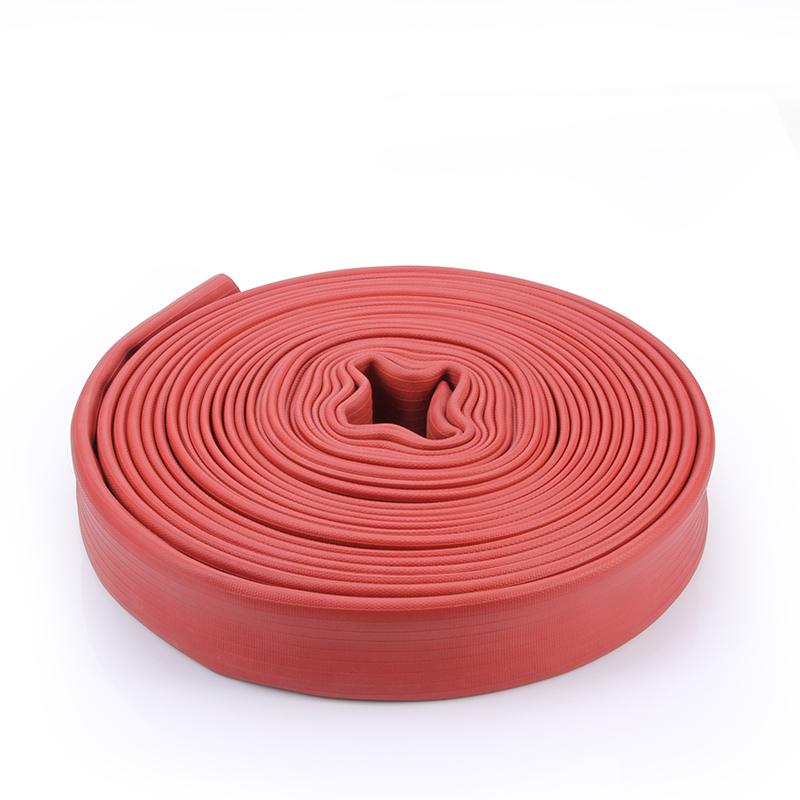
After any deployment, formal reporting should be completed as part of the building’s fire safety management process. Usage reports allow maintenance teams to schedule pressure testing, flow verification, and visual inspection of the Fire Hose for abrasion or liner fatigue. Recording the date, duration of use, and observed performance helps identify wear patterns and predict service needs. This data-driven approach supports compliance with inspection standards and ensures Firefighting Equipment maintains its designed flow rate, pressure stability, and operational readiness for future incidents.
Inspection, Training, and Readiness of Fire Hose Reels
Routine Inspection to Keep Firefighting Equipment Operational
Routine inspection should follow a defined technical checklist rather than visual checks alone. Flow testing verifies that the Fire Hose can deliver the rated discharge, commonly around 0.45 L/s at 220 kPa, while pressure loss measurements help detect internal wear or partial blockages. Reel rotation, bracket anchoring, and valve response time should also be assessed. Consistent inspection records allow trend analysis, helping facilities anticipate component replacement before performance drops and ensuring Firefighting Equipment remains dependable under real fire conditions.
Training Building Occupants for Confident Hose Reel Use
Effective training combines theory with hands-on practice to build muscle memory. Occupants should experience hose reaction force, understand optimal stance, and practice aiming at simulated fire bases. Training intervals are often set at 6–12 months to maintain skill retention. Controlled drills help users recognize heat, smoke, and water spray behavior, enabling quicker decisions. This practical exposure improves reaction time and ensures the Fire Hose is used efficiently without panic during real emergencies.
Integrating Fire Hose Reels with Other Firefighting Equipment
Fire hose reels perform best when coordinated with detection, alarm, and suppression systems. Alarm activation triggers evacuation while hose reels address localized fire spread. Extinguishers handle incipient flames, and hose reels provide sustained cooling. Integration planning defines clear handover points between tools, reducing overlap or confusion. This system-based approach improves response flow and ensures each element of Firefighting Equipment contributes effectively to overall fire control and occupant safety.
Conclusion
Fire hose reels are a vital part of modern Firefighting Equipment, providing fast and reliable control during early-stage fires. Understanding correct use, suitable fire types, safe operation, and post-use procedures helps reduce risks and protect people and property. Regular inspection, clear training, and system integration ensure consistent performance in real emergencies. With quality design and dependable functionality, solutions from Safe Sail Marine Equipment Sdn Bhd. add real value by supporting durability, stable water flow, and long-term operational readiness for commercial and industrial environments.
FAQ
Q: What is a fire hose reel used for in Firefighting Equipment?
A: It delivers continuous water through a Fire Hose to control early-stage Class A fires.
Q: How do you safely use Firefighting Equipment like fire hose reels?
A: Alert others, open the valve, deploy the Fire Hose, and aim at the fire base.
Q: Why are fire hose reels important Firefighting Equipment in buildings?
A: They provide longer water supply than extinguishers using a fixed Fire Hose.
Q: How much does Firefighting Equipment like fire hose reels cost?
A: Costs vary by reel type, hose length, and Fire Hose material quality.
Q: What problems affect Fire Hose reel performance?
A: Poor maintenance reduces Firefighting Equipment pressure, flow, and hose reliability.


