
English
Views: 0 Author: Site Editor Publish Time: 2025-11-11 Origin: Site


Marine fittings are essential components in the maritime industry, playing a crucial role in ensuring the safety, efficiency, and functionality of marine vessels. These fittings are designed to withstand harsh marine environments, providing durability and reliability. Understanding the significance of marine fittings is vital for anyone involved in the maritime sector, from shipbuilders to operators. This article explores the various types of marine fittings, their importance, and the factors to consider when selecting them. For a comprehensive overview of marine fittings, including marine fittings, continue reading.
Marine fittings encompass a wide range of components used in various applications on ships and boats. These include deck marine fittings, plumbing marine fittings, electrical marine fittings, and more. Each type of fitting serves a specific purpose and is designed to meet the unique demands of the marine environment.
Deck fittings are crucial for the safe and efficient operation of a vessel. They include items such as cleats, bollards, and fairleads, which are used for mooring and securing the ship. These fittings must be robust and corrosion-resistant to withstand the harsh conditions at sea. Heavy Duty Marine Fittings are often made from materials like stainless steel or high-strength alloys to ensure longevity and performance.
Plumbing fittings are essential for the water supply and waste management systems on a vessel. These include valves, pumps, and pipes that must be resistant to saltwater corrosion and capable of handling high pressure. The use of Marine Stainless Steel Fittings is common due to their excellent resistance to rust and corrosion.
Electrical fittings on marine vessels include components such as connectors, switches, and lighting fixtures. These fittings must be designed to prevent water ingress and withstand the vibrations and shocks experienced at sea. The use of UV Resistant Marine Fittings is crucial to prevent degradation from prolonged exposure to sunlight.
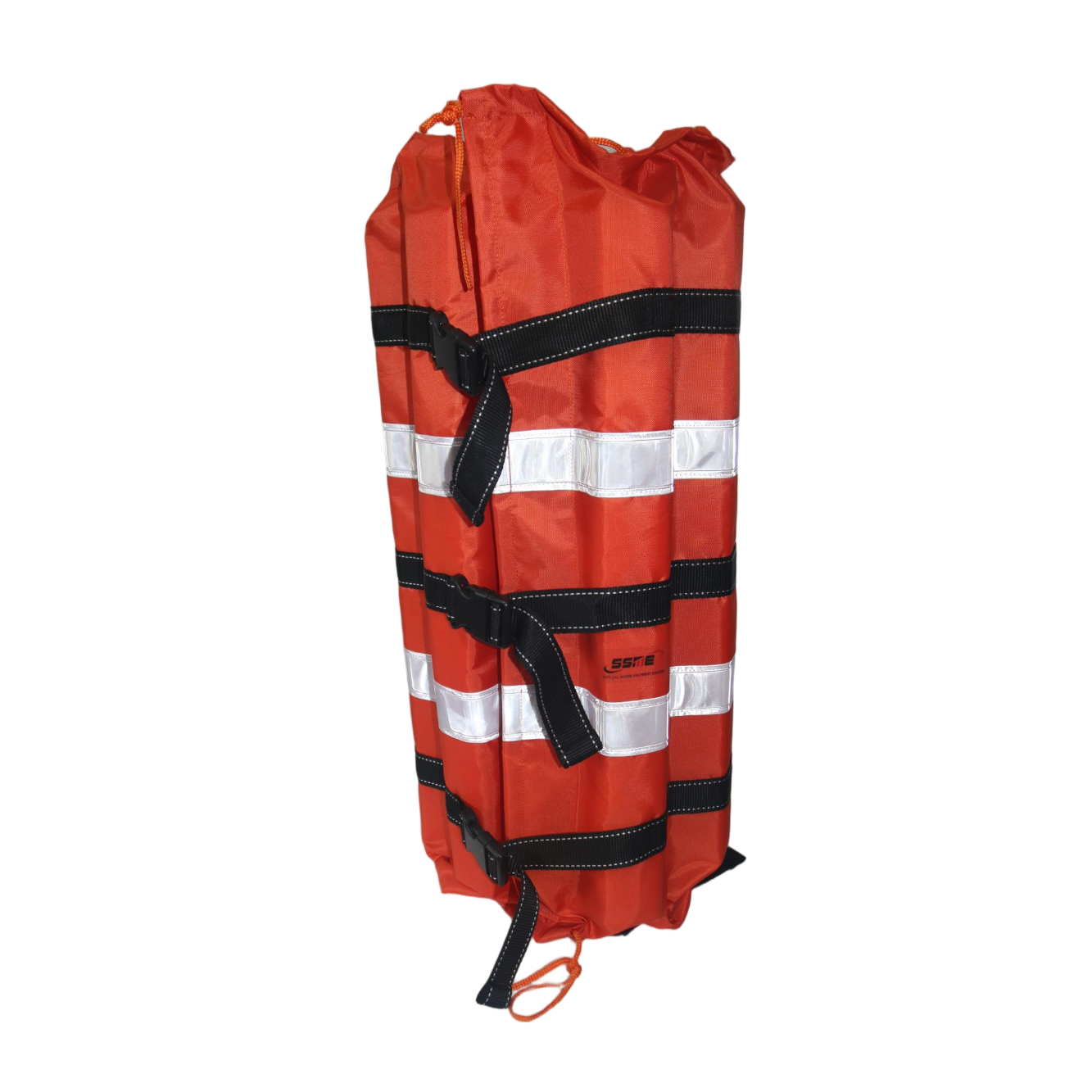
Marine fittings are vital for the safety and operational efficiency of a vessel. They ensure that all systems function correctly and that the vessel can withstand the challenging marine environment. High-Strength Marine Fittings are particularly important in ensuring the structural integrity of the vessel, preventing failures that could lead to accidents or environmental damage.
In addition to safety, marine fittings contribute to the overall performance of the vessel. Efficient fittings reduce maintenance costs and downtime, allowing vessels to operate more effectively. The choice of fittings can also impact fuel efficiency and emissions, making them an important consideration in the design and operation of eco-friendly ships.
Selecting the right marine fittings involves considering several factors, including the material, design, and compatibility with existing systems. The material of the fittings is crucial, as it must be able to withstand the corrosive marine environment. Stainless steel and other corrosion-resistant alloys are commonly used for their durability and strength.
The design of the fittings should also be considered, as it can impact the ease of installation and maintenance. Fittings that are easy to install and maintain can reduce labor costs and downtime. Additionally, compatibility with existing systems is important to ensure seamless integration and operation.
Marine fittings are an essential component of any vessel, providing the necessary support and functionality for safe and efficient operation. By understanding the different types of fittings and their importance, stakeholders in the maritime industry can make informed decisions when selecting and maintaining these critical components. For further information on marine fittings, visit the Marine Fittings manufacturer page.


