English
Views: 0 Author: Site Editor Publish Time: 2025-11-02 Origin: Site


In the realm of workplace safety, particularly in environments prone to chemical exposure, the presence of an eyewash station is not just a recommendation but a critical necessity. These stations are designed to provide immediate decontamination for individuals who have been exposed to hazardous substances, particularly affecting the eyes. The importance of understanding what an eyewash station is used for, and the standards governing its implementation, cannot be overstated. This article delves into the various aspects of eyewash stations, including their uses, types, and the standards they must adhere to, such as the ANSI Z358.1.
Eyewash stations serve a critical role in mitigating the effects of chemical exposure in the workplace. Their primary function is to flush the eyes with water or a suitable fluid to remove contaminants, thereby reducing the risk of serious injury. This immediate action is crucial because the eyes are particularly sensitive and vulnerable to damage from chemicals, which can lead to severe injuries or even blindness if not promptly addressed. The effectiveness of an eyewash station is measured by its ability to deliver a continuous flow of water to both eyes simultaneously, ensuring thorough decontamination.
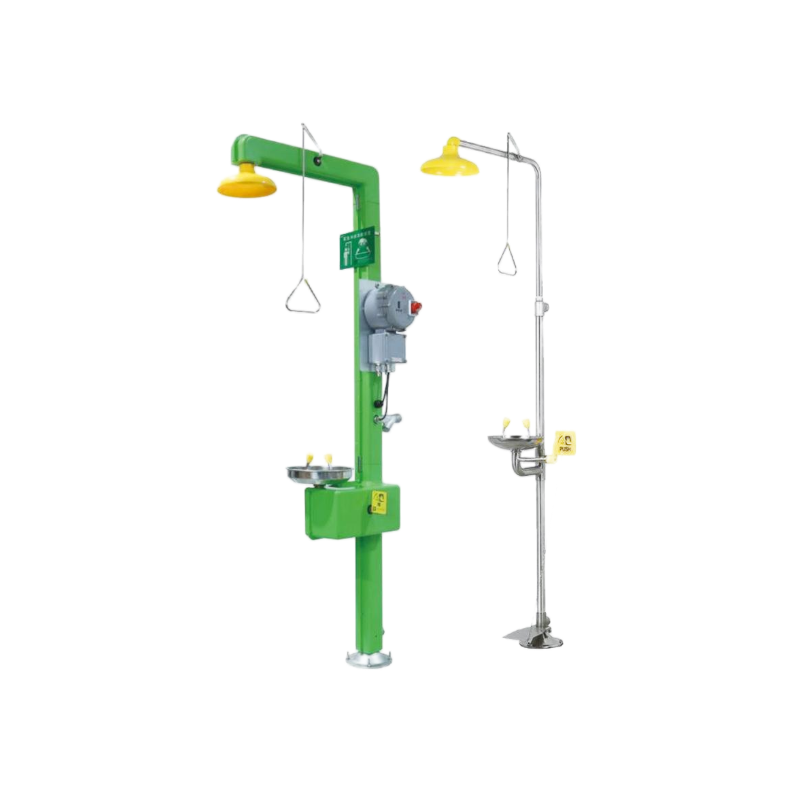
There are several types of eyewash stations available, each designed to meet specific needs and environments. The most common types include plumbed eyewash stations, which are permanently connected to a water source, and portable emergency eyewash stations, which are self-contained units that can be moved as needed. Additionally, there are combination units that include both an eyewash station and an emergency shower, providing comprehensive decontamination solutions. These combined units are particularly useful in environments where full-body exposure to hazardous substances is a risk.
Compliance with standards such as the ANSI Z358.1 is essential for ensuring the effectiveness and safety of eyewash stations. This standard outlines the minimum performance and installation requirements for eyewash and shower equipment. It specifies that eyewash stations must deliver a controlled flow of tepid water for a minimum of 15 minutes, allowing for thorough decontamination. Moreover, the location of the station must be easily accessible, with no obstructions, and should be within a 10-second walk from the hazard. Regular maintenance and testing are also mandated to ensure the equipment is in proper working condition at all times.
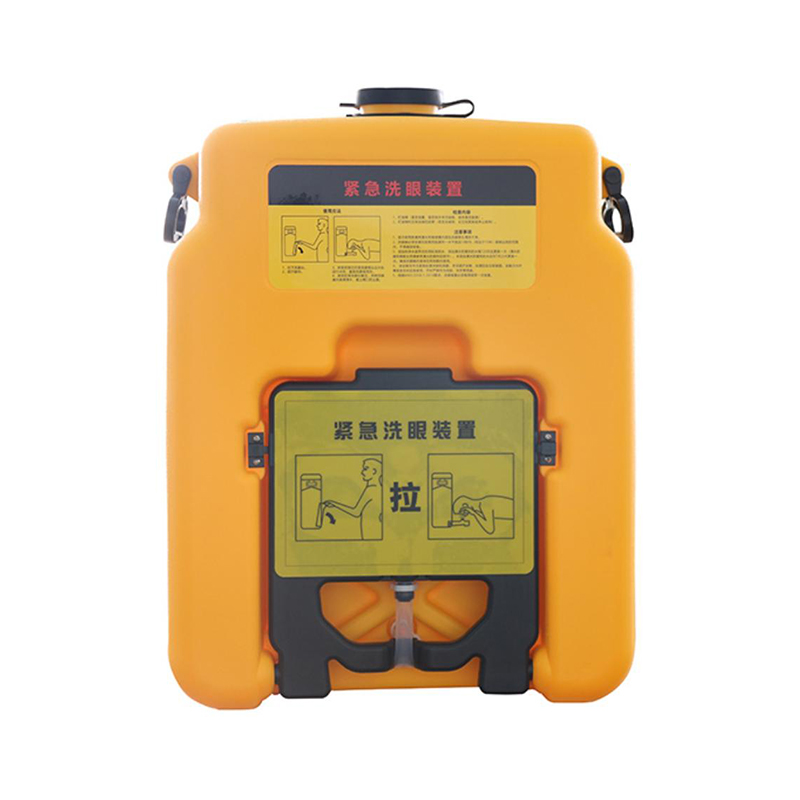
Manufacturers of eyewash stations play a pivotal role in ensuring workplace safety by providing reliable and compliant equipment. An eyewash station manufacturer must adhere to stringent quality standards and continuously innovate to meet the evolving needs of various industries. This includes developing customized solutions that cater to specific workplace hazards and environments. Manufacturers are also responsible for providing detailed installation and maintenance instructions to ensure the longevity and effectiveness of their products.
Innovation in the design of eyewash stations is crucial for enhancing their functionality and user experience. Recent advancements include the development of customized eyewash stations that can be tailored to specific industry requirements. These innovations may involve the integration of advanced filtration systems, ergonomic designs for ease of use, and smart technology that monitors the station's operational status. Such features not only improve the effectiveness of the eyewash stations but also ensure compliance with safety standards.
In addition to eyewash stations, emergency showers are an integral component of workplace safety equipment. These showers are designed to provide immediate decontamination for the entire body in the event of exposure to hazardous substances. The combination of an emergency shower and eyewash station offers a comprehensive solution for environments where both eye and body exposure are possible. These units are particularly beneficial in chemical manufacturing plants, laboratories, and other high-risk areas.
Proper installation and maintenance of emergency showers and combined units are critical to their effectiveness. These units must be installed in locations that are easily accessible and free from obstructions. Regular testing and maintenance are required to ensure that the equipment functions correctly when needed. This includes checking the water flow, temperature, and overall condition of the unit. Maintenance records should be kept to track the frequency and results of inspections, ensuring compliance with safety regulations.
In conclusion, eyewash stations are a vital component of workplace safety, providing essential decontamination for individuals exposed to hazardous substances. Understanding their purpose, types, and compliance requirements is crucial for ensuring their effectiveness. Manufacturers play a key role in delivering reliable and innovative solutions that meet industry standards. The integration of emergency showers and combined units further enhances safety measures in high-risk environments. By adhering to standards such as ANSI Z358.1 and maintaining regular inspections, organizations can ensure the safety and well-being of their employees. For more information on combined eyewash stations, please visit our product page.